








RFQ & BOM Intake
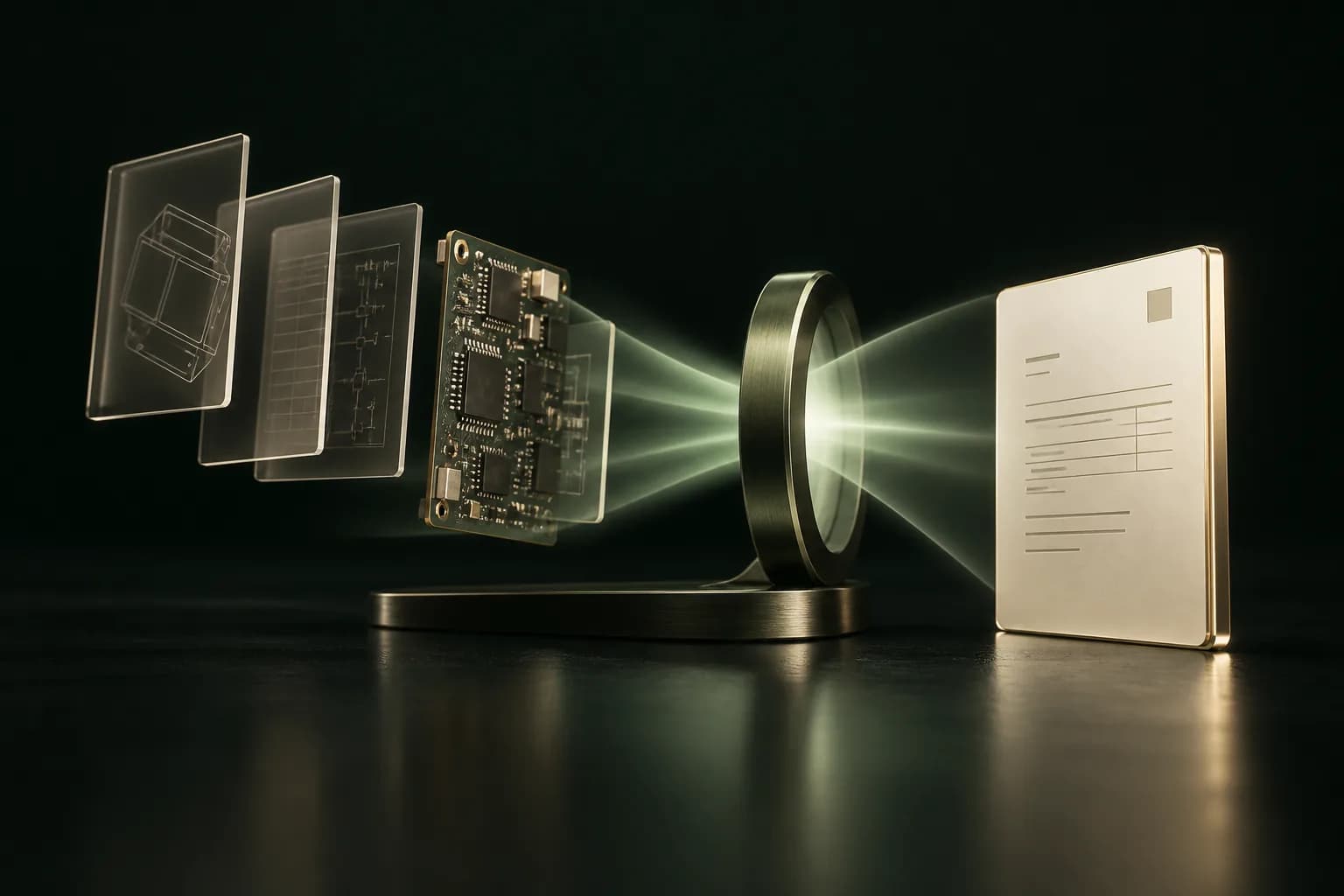
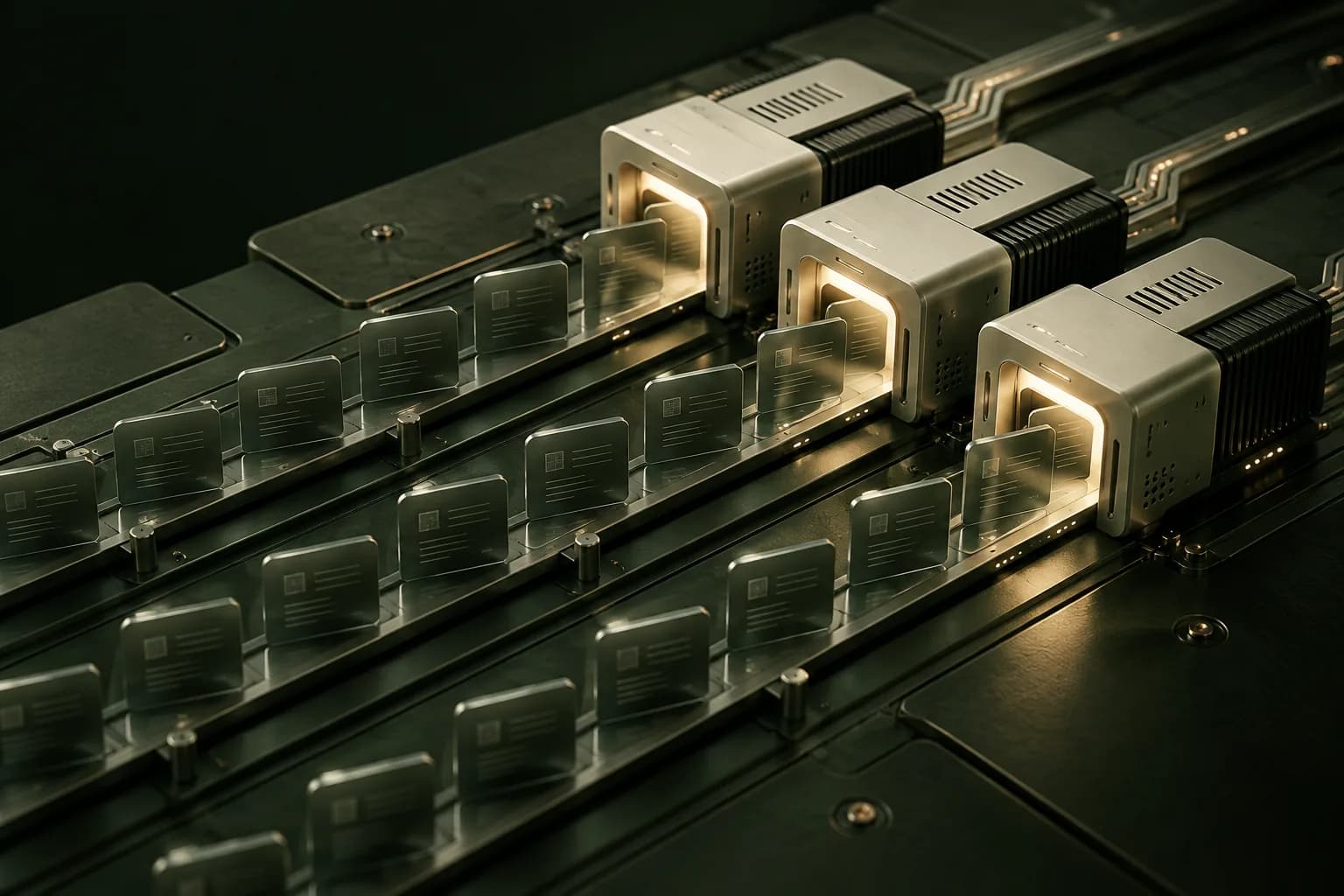
Reads the RFQ however it lands, whether that's an email, a BOM, a spreadsheet, or an ERP export, and files it as one clean record.
- RFQ parsing
- PDF + Excel
- Structured record
O2 is supply chain AI for electronics: a BOM agent that reads your RFQs and supplier replies, checks your stock, and works out how to quote. The BOM is where cost, risk, and margin really get decided, and most teams still handle it by hand.O2 is supply chain AI for electronics: a BOM agent that reads your RFQs and supplier replies, checks your stock, and works out how to quote.


Reads the RFQ however it lands, whether that's an email, a BOM, a spreadsheet, or an ERP export, and files it as one clean record.
O2 does the thinking before the customer sees a number: which suppliers to trust, what to substitute, how much stock you're sitting on, and whether the deal is worth winning.
From a messy BOM and a pile of supplier quotes to a path you've actually reviewed.
The hard part is done before anyone opens the file, so teams get through more.
Cost, substitutes, risk, and how the supplier tends to behave all shape the number.
Every quote and correction stays in the system and sharpens the next one.
O2 Lab is where the research happens. We take work on world models and agents and turn it into software that has to hold up under real constraints, and that gets better at your workflow the more it runs.
O2 AI is an AI decision layer for hardware supply chains. It turns every RFQ, BOM, supplier reply, inventory signal, and past order into reusable decision intelligence so hardware and electronics teams can source, price, and quote faster with protected margin.
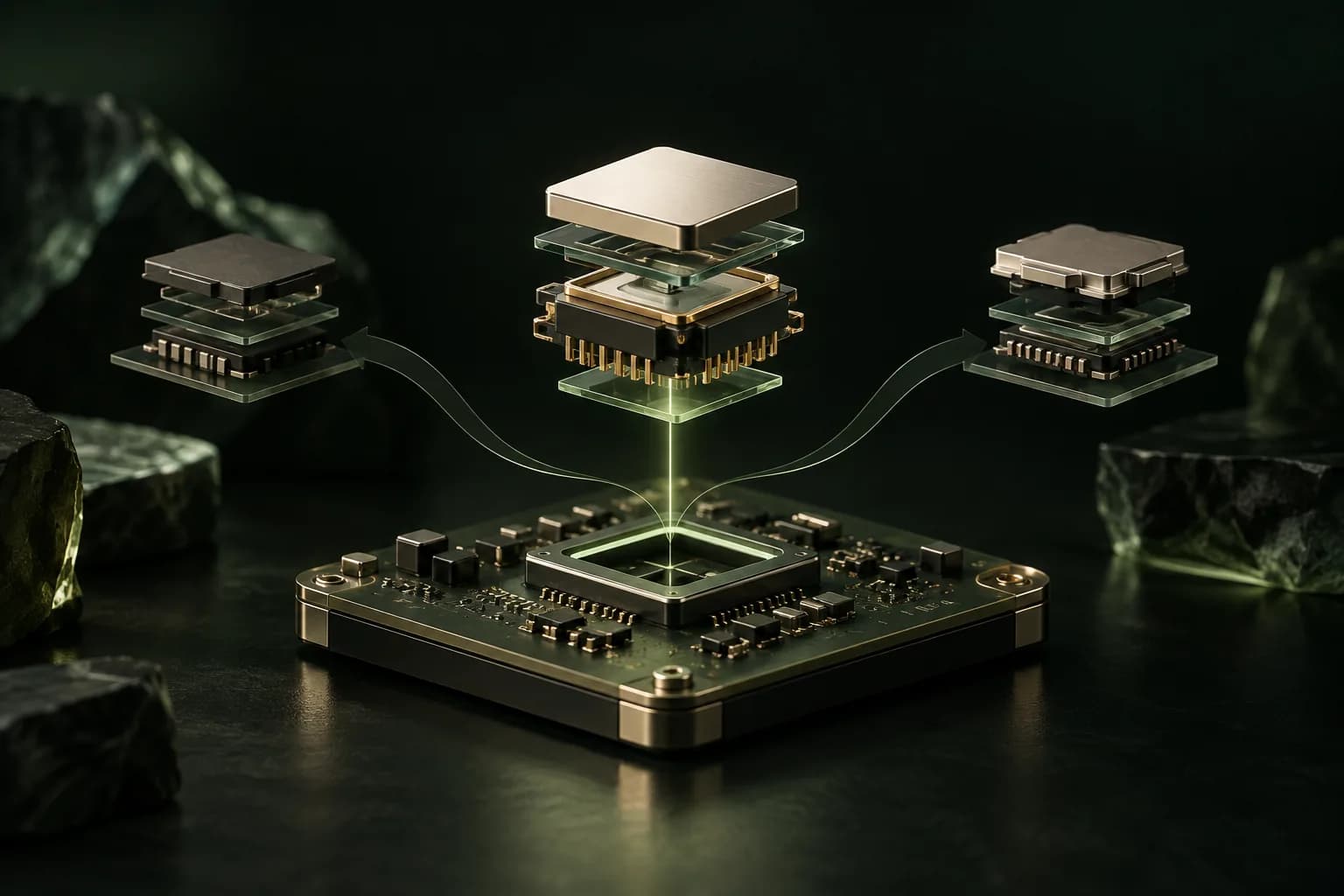
O2 normalizes a BOM into structured part intelligence: it cleans MPNs and manufacturers, resolves quantities and alternates, flags lifecycle and end-of-life (EOL) risk, and applies approved-vendor logic. It then ranks sourcing options by price, availability, lead time, and reliability.
O2 AI is built for hardware and electronics teams that handle RFQs, BOM sourcing, supplier quoting, and distribution, including procurement, sourcing, and sales engineering teams at component distributors, EMS providers, and OEMs.
O2 moves judgment upstream. Supplier risk, approved substitutes, inventory exposure, cost ranges, and win probability are evaluated before the customer sees a number, which typically yields a 2–5% margin uplift per quote.
O2 ingests emails, BOMs, PDFs, spreadsheets, supplier quotes, inventory sheets, and ERP exports, and converts them into structured opportunity records ready for sourcing and pricing decisions.
O2 reduces time-to-quote to roughly 2–6 hours from messy BOM, RFQ, supplier, and inventory inputs to a reviewed quote path, and lets teams process 3–4× more RFQs because the judgment layer is prepared before review begins.
O2 AI is a decision layer, not a parts catalog or database. Where BOM tools and component databases surface prices, lifecycle status, and availability, O2 turns those signals, together with your RFQs, supplier replies, inventory, and past orders, into recommended sourcing paths, substitutes, pricing, and bid/no-bid decisions, then remembers each outcome to improve the next quote.
Yes. O2 flags lifecycle and end-of-life (EOL) risk on every BOM line, proposes approved alternates and substitutes, and factors obsolescence and inventory exposure into sourcing and pricing decisions, so risk is caught before the quote goes out, not after the order fails. The risk is structural: 621,909 electronic parts went end-of-life in 2025 and 52% shipped with no manufacturer change notice (Z2Data).
Yes. O2 is built for EMS providers, contract manufacturers, and component distributors that quote from messy, inconsistent customer BOMs and RFQs. It parses inbound RFQs into structured records, cleans the BOM, ranks supply, and drafts the customer quote and supplier inquiries.
Yes. O2 AI is supply chain AI built specifically for electronics: it applies AI to the sourcing, pricing, and risk decisions in the BOM-to-order workflow. Unlike general supply-chain-visibility tools, O2 works at the part level: reading BOMs, RFQs, supplier replies, and inventory signals, and recommending the sourcing path, substitutes, and quote.
A BOM agent is an AI agent that works a bill of materials end-to-end: cleaning MPNs, flagging lifecycle and EOL risk, finding approved alternates, ranking supply options, and drafting the quote. O2 AI operates as a BOM agent for electronics teams: it acts on the BOM and learns from every outcome, rather than just storing part data.
Book a demo by emailing hello@o2tech.ai with one real BOM, RFQ, or supplier quote. O2 will show how it structures the decision, flags risk, recommends sourcing paths, and learns from the outcome.
Bring one real BOM, RFQ, or supplier quote. We’ll show how O2 structures the decision, flags risk, recommends paths, and learns from the outcome.